Bedding · Materials & Sleep
Wool Comforters Explained: How Fiber, Loft, and Layering Shape Sleep
Wool has an unusual talent for feeling warm without making warmth the whole story. In a comforter, its fibers can hold insulating air, take up moisture vapor, and help soften the swings between chilly and overheated. The result depends on more than the word “wool”: fiber quality, fill weight, construction, room conditions, and the layers around the bed all matter.
Understanding those details turns a comforter from a seasonal guess into a considered part of the sleep environment.
Why wool behaves differently in bedding
A comforter’s job is straightforward: create a layer of warmth that feels comfortable through the night. The materials used to do that job behave differently. Wool is a natural animal fiber with a structure that helps it trap air while remaining capable of interacting with moisture in the surrounding environment. Those properties make it a compelling option for sleepers who want insulation without an especially sealed-in sensation.
Individual wool fibers have a naturally crimped shape. In a mass of fill, those bends help create small pockets of still air. Air is a poor conductor of heat, so these pockets slow the movement of warmth away from the body. The effect is not unique to wool—other fills also insulate by trapping air—but wool’s resilience and moisture behavior give it a distinct feel.
Wool can absorb water vapor into the fiber without immediately feeling wet to the touch. That capacity may help moderate the damp sensation associated with perspiration, though it does not make a comforter waterproof, eliminate humidity, or replace good ventilation. Comfort is produced by the interaction of bedding, sleepwear, room temperature, and the person using the bed—not by a fiber acting alone.
This distinction matters because “temperature regulating” can sound like an automatic thermostat. Wool does not cool a sleeper who is too warm or heat a cold room on command. Rather, its physical characteristics can help create a less abrupt microclimate around the body. How noticeable that feels varies with fill amount, fabric shell, construction, and individual sensitivity.
Fiber is the beginning, not the whole specification
When comparing wool comforters, start with what the label says about the fill. “Wool” identifies a broad material category, not a uniform performance standard. Fibers can differ in fineness, length, preparation, and origin. Those differences can influence softness, resilience, and how evenly the fill sits inside its shell. Product descriptions do not always provide every detail, so the most useful comparison is the one grounded in disclosed specifications and care instructions.
Finer fibers are often associated with a softer hand, but softness against the skin depends chiefly on the comforter’s outer fabric and whether the fill can migrate through it. A tightly woven shell helps contain fibers and gives the bedding its immediate surface feel. Fill and shell should therefore be considered together: a soft fiber inside an uncomfortable or noisy cover may not make a satisfying comforter.
Wool is also naturally springy, which can help fill recover after compression. But resilience is not the same as infinite loft. Repeated folding, heavy pressure, poor storage, or unsuitable washing can affect the structure of a comforter over time. Like other natural textiles, it benefits from handling that follows the maker’s instructions rather than assumptions based on the word “wool.”
Some bedding uses wool blends or combines wool with other fibers. A blend may change the hand, weight, durability, or care requirements. There is no universal rule that a blend is better or worse: the relevant question is whether its stated construction meets the sleeper’s needs. Read the composition, shell material, and care label together, and be cautious about treating broad claims such as “all-season” as a precise warmth rating.
Loft, weight, and warmth: three related but different ideas
Loft describes the thickness or fullness of a comforter. Weight describes how heavy it feels. Warmth describes how effectively it helps retain heat. These qualities can overlap, but they are not interchangeable. A lofty comforter may feel airy rather than heavy; a dense one can feel weighty without being especially high in profile. Fill amount, fiber arrangement, quilting, and shell all affect the final result.
For wool bedding, the amount and distribution of fill are especially important. More fill generally means more insulating material, but it can also change the drape and the way a comforter settles around the body. Less fill may suit a warm bedroom or a sleeper who prefers a lighter cover. Because manufacturers do not use one universally consistent warmth scale, compare descriptions within the same brand when possible and look for explicit seasonal guidance.
Pay attention to the comforter’s intended use. Some designs are made as a single, relatively light layer; others are built to provide substantial insulation. If the product has a stated weight, size, or warmth category, use that information alongside the fill composition. A king-size comforter with a stated total fill weight cannot be compared directly to a smaller one without accounting for area.
Loft also has practical consequences. A fuller comforter may take up more storage space and may require a larger-capacity machine if it is washable. A heavier layer can feel reassuring to some people and restrictive to others. Neither preference is a performance flaw. The best specification is the one that supports comfort for the person and climate in question.
How construction keeps fill in place
Even excellent fill can disappoint if it shifts into clumps or leaves cold gaps. Comforter construction helps distribute insulation across the bed. Quilting, channels, hand tufting, and other forms of stitching or securing can hold fill in defined areas. The goal is stability: less migration, more consistent coverage, and a shape that remains usable over time.
In a quilted comforter, seams divide the surface into sections. These compartments can help limit fill movement, though the stitch pattern also affects how the comforter drapes. Very narrow compartments may hold fill securely but create more stitched lines; wider sections may feel less segmented but require careful construction to keep the fill even. Design details are not merely decorative when they determine how insulation is distributed.
Hand-tufted construction typically uses ties or tufts to connect layers and secure filling at intervals. Perimeter stitching can reinforce the edges, while internal ties or seams help stabilize the body of the comforter. A layered design may join two components so that they can be used together or separately, allowing warmth to change with the season. Before choosing such a system, check how the components attach and whether their combined weight or care routine suits your household.
Construction cannot guarantee that a comforter will never shift or wear. It does, however, provide clues about how the product is assembled and maintained. Look for clear descriptions of stitching, attachment points, shell fabric, and whether the fill is designed to remain in fixed compartments. Those specifics are more informative than a vague promise of long-lasting comfort.
Temperature regulation is a partnership
The sleep environment is a small ecosystem. A comforter interacts with sheets, pajamas, mattress protectors, the room’s humidity, heating or cooling, and the sleeper’s own metabolism. Wool’s moisture-handling and insulating qualities can contribute to a more comfortable bed, but they cannot compensate for every mismatch. A thick wool comforter in a hot room may still feel too warm; a light one may not be enough in a cold bedroom.
Personal experience is a practical guide. People who wake feeling overheated may prefer less fill, a breathable shell, and lighter sheets. Those who feel cold may benefit from a higher-insulation comforter or a flexible arrangement of layers. Couples with different temperature preferences may find separate blankets or independently adjustable layers more comfortable than trying to find one compromise covering.
Humidity matters, too. Wool can absorb some moisture vapor, but a damp room, wet bedding, or inadequate airflow can still create an uncomfortable sleep space. Keep bedding dry, air the room when practical, and allow the comforter to breathe between uses. If persistent nighttime sweating or temperature discomfort is new or severe, bedding may not be the only factor worth considering.
It is useful to think in terms of a comfort range rather than a promise of perfect neutrality. Wool can help moderate conditions because of how its fibers behave, but the outcome depends on the complete setup. A measured approach—adjusting one layer at a time—often reveals more than replacing every part of the bed at once.
Layering for changing seasons
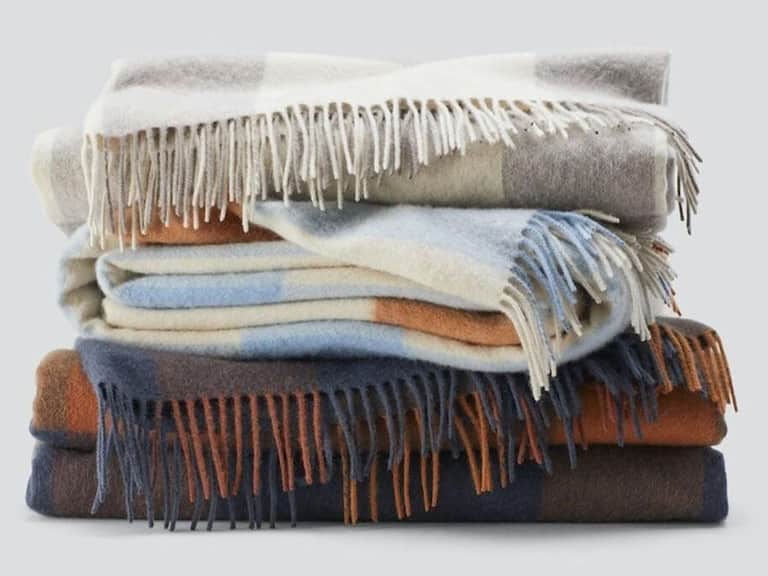
Layering makes a bed adaptable. Instead of asking a single comforter to serve every month, combine a base layer with blankets that can be added or removed. Sheets provide the first tactile and thermal layer. A lighter blanket can add modest insulation, while a wool comforter supplies the main warmth. In particularly cold conditions, an additional layer may help; in warmer weather, removing it can restore comfort without changing the entire bed.
The key is to avoid building layers so tightly that they trap more heat than intended. Each textile adds insulation, and the combined effect can be greater than expected. Try the arrangement over several nights, changing one item at a time. If the bed feels clammy or excessively warm, reduce insulation or consider lighter sleepwear and sheets before assuming the comforter itself is at fault.
Some adaptable comforter systems are designed with components that can be joined or separated. Others rely on ordinary blankets and throws. Either approach can work, provided that layers remain secure and are easy to manage. Check the dimensions: a layer that is too small may slip away, while an oversized one can bunch or drag. Consider how the layers will be laundered and stored when they are not in use.
Seasonal storage deserves attention. Clean and fully dry bedding before putting it away, follow the maker’s guidance for folding or airing, and use a clean, breathable storage space. Natural fibers can attract textile pests, so inspect and protect stored items according to local conditions. Avoid compressing a lofty comforter for long periods unless the manufacturer permits it.
Care: read the label before reaching for the washer
Wool comforters are not all cared for in the same way. Some may permit machine washing under specific conditions; others call for professional cleaning, spot treatment, or airing. The care label takes precedence over general advice. A comforter is larger and more structurally complex than a wool sweater, so instructions for one wool item should not be transferred automatically to another.
When washing is allowed, capacity matters. A comforter needs room to move without being packed tightly into the drum. Excessive agitation, unsuitable water temperature, or harsh cleaning products can damage fibers or affect the fill’s distribution. Follow the specified cycle, detergent, and drying method exactly. If a machine cannot accommodate the bedding, a professional cleaner may be the safer option.
For routine freshness, airing a comforter in a dry, well-ventilated place may be preferable to frequent washing, if the care instructions permit it. A removable cover can reduce direct contact with body oils and everyday soil, making upkeep more manageable. Treat small spills promptly using the recommended method, and dry the affected area thoroughly to prevent lingering moisture.
Before purchase, care is not a footnote. A dry-clean-only comforter demands a different budget and routine from a machine-washable one. Consider who will maintain it, where it will be cleaned, and whether the bed’s size makes handling difficult. Convenience is part of long-term comfort.
A practical checklist before choosing
Rather than relying on a single headline claim, compare the details that determine how a comforter will function in your room. A short checklist can make product descriptions easier to evaluate:
- Fill composition: Confirm whether the fill is wool or a blend, and note any additional fibers.
- Warmth and weight: Look for a stated season, fill weight, or warmth description, then compare like with like.
- Loft and drape: Consider whether you prefer an airy, full layer or a flatter, lighter feel.
- Construction: Check how the fill is secured and whether stitching or compartments are described.
- Shell fabric: The cover affects surface feel, breathability, and how well the fill is contained.
- Care requirements: Determine whether the comforter can be washed at home, needs professional care, or calls for limited cleaning.
- Bed and room conditions: Match size and insulation to the mattress, room temperature, and usual bedding layers.
- Household preferences: Account for differing temperature needs, storage space, and willingness to maintain the item.
When details are missing, ask for clarification rather than filling the gaps with assumptions. A clear description should help explain what the comforter is made of, how it is assembled, and how it should be cared for. If those basics are unavailable, comparisons become less reliable.
Common assumptions, reconsidered
“Natural means automatically breathable.” Natural fibers have distinctive properties, but breathability depends on the complete textile structure. Dense fill, a tightly woven shell, multiple layers, and a warm room can all influence how the bed feels.
“More loft always means more comfort.” Loft can create a plush impression, but comfort is personal. Some sleepers prefer a slim cover; others want a fuller, more enveloping layer. Warmth, drape, and ease of movement matter as much as appearance.
“Wool is always easy to wash.” Care instructions vary by construction and product. Some wool comforters have limited home-care options. Check the label before purchase and before cleaning.
“One comforter can solve every temperature problem.” The bed is a system, and the sleeper is part of it. A suitable comforter can help, but room climate, other textiles, and individual needs remain important.
The quieter advantage of a well-matched layer
Choosing a wool comforter is less about finding a miracle fiber than about understanding the balance it can offer. Wool’s crimped structure supports insulation; its relationship with moisture can contribute to a comfortable sleep microclimate; and a resilient fill can provide a soft, substantial layer. Yet those benefits emerge through the particulars: how much fill is used, how it is secured, what shell surrounds it, and how the bedding is cared for.
Start with your actual nights, not an idealized product description. Do you wake cold, warm, or comfortable? Does the room change sharply with the seasons? Do you want a single layer or an adjustable arrangement? How much care are you prepared to give the comforter? The answers narrow the field more effectively than generic claims about luxury or year-round performance.
A well-chosen comforter should feel unremarkable in the best sense: warm enough, breathable enough, and easy enough to live with that attention returns to sleep. Wool may be a strong candidate for that role, especially for people seeking natural insulation and a flexible approach to layering. The right choice, however, is the one whose fiber, loft, construction, and upkeep fit the bed—and the person in it.