A Cultural History of Holiday Knits: Patterns, Traditions, and Techniques

Explore how holiday sweaters and knitted adornments evolved from practical garments to cultural symbols. This piece surveys patterns, regional variations, and the techniques that shaped festive knitwear across decades, with insights for beginners and seasoned makers alike.

From the woolen trenches of early 20th-century winters to the meme-fueled annual parades of modern pop culture, holiday knits have woven themselves into the fabric of collective memory. This feature draws on the voices of knitters, historians, and designers from distinct eras to illuminate how garments transition from utility to folklore, and finally to an enduring annual ritual of creativity and shared memory.

A Timeline of Patterns: Signifiers Across Regions

Patterns on holiday sweaters have historically carried meaning beyond decoration. Traditional motifs—such as reindeer, holly, snowflakes, and evergreen spirals—often signified regional textile practices, seasonal narratives, and even social networks within knitting communities. A timeline helps readers see how motifs migrate, mutate, and reappear with new symbolism.

  • Early 1900s: Practical wool sweaters with geometric motifs intended for warmth, later interpreted as festive signals in family photo albums.
  • 1930s–1950s: The emergence of more elaborate motifs; regional schools of design—Nordic, Central European, and North American—start to diverge in colorwork language.
  • 1960s–1980s: Mass media propels the idea of the “holiday sweater” as a playful, communal wardrobe ritual; patterns become shorthand for humor and irony.
  • 1990s–present: Global DIY communities explode with colorwork tutorials, charted patterns, and a revival of traditional stitches adapted for contemporary aesthetics.

These moments are not merely about fashion; they are about memory-making—sharing, telling, and retelling stories through knitted surfaces that travel through households and across generations.

Techniques Behind Festive Knits: A Primer

For beginners and seasoned makers alike, understanding the core techniques helps demystify the process of holiday knits and clarifies the aesthetic outcomes. The following primer lays out the essentials, with practical safety notes and yarn guidance.

  • Colorwork and Fair Isle: The art of carrying multiple colors across a row; choose high-contrast palettes for bold motifs or harmonious tones for subtle drama. Practice with smaller swatches before tackling full sweater panels.
  • Cable Knitting: A staple for holiday texture, offering dimensionality through twisted stitches. Start with simple three- and four-stitch cables, then progress to more intricate rope patterns.
  • Seed Stitch and Ribbing: Foundational textures that stabilize edges and provide subtle surface interest. Seed stitch yields a dense fabric with built-in warmth, while ribbing shapes cuffs and hems for elasticity.
  • Color-Contrast and Yarn Choice: For holiday effects, opt for natural fibers (wool, alpaca blends) that balance warmth and drape. Consider fingering to bulky weights depending on climate and project size.
  • Safety and Comfort: When knitting for children or gifting, prioritize hypoallergenic fibers and seamless constructions to reduce irritation and improve wearability.

Voices Across Time: Three Key Figures in Holiday Knits

To illuminate the cultural arc of holiday knits, we turn to three influential figures from distinct time periods—each contributing a thread to the broader tapestry of festive stitching. Their perspectives reveal how patterns travel, how techniques evolve, and how knitters translate memory into texture.

1) Marguerite Leclerc, Early 20th Century Innovator

A French textile scholar who cataloged regional motifs in the 1920s, Leclerc argued that knitting patterns encoded local histories and the rhythms of daily life. Her field notes, now housed in a European textile archive, link humble motifs to broader social narratives—ways of telling time during long winters and preserving crafts that might otherwise fade from living memory.

Her work suggests that the holiday knit is not simply a garment but a vessel for communal memory. In her introductory essays, she stressed keeping meticulous pattern dictionaries, a practice that modern makers revive when charting complex colorwork.
2) Tamás Németh, Mid-Century Pattern Architect

A Hungarian-born designer who emigrated to the United States after World War II, Németh specialized in geometric motifs and modular colorwork. His work popularized accessible motifs in mass-produced patterns, democratizing the holiday knits movement. Németh's notes show how a pattern can be both mathematically elegant and visually celebratory, serving as a bridge between tradition and accessible technique.

His philosophy was pragmatic: create designs that knitters could complete in a reasonable timeframe while still delivering a sense of holiday magic. The impact of his approach persists in modern tutorials that break complex colorwork into manageable steps.

3) Asha Kapoor, Contemporary Patterns Designer

A changemaker in the 2010s and 2020s, Kapoor has championed inclusive, globally inspired holiday motifs. Her interviews emphasize storytelling through stitch choices, with patterns drawn from maritime nav patterns, forest canopies, and urban textile traditions. Kapoor’s work highlights the rebirth of the holiday knit as a platform for cross-cultural dialogue and personal storytelling.

Her design ethos—keeping patterns readable for beginners while providing depth for seasoned knitters—reflects the broader identity of holidaysweater.com as a hub for culture, craft, and education.

Pattern Analysis: From Motif to Meaning

The heart of holiday knits lies in how patterns convey meaning. A single motif can evoke family lore, regional identity, or shared humor, depending on its context. This section surveys how motifs function as cultural signifiers and how designers translate memory into texture and color.

  • Motif as Memory: A motif can reference a family tradition, a place, or a seasonal ritual. The repetition of a symbol—such as a holly leaf or snowflake—can anchor a story across generations.
  • Color Lexicon: Colors carry emotion and symbolism. In Nordic-inspired pieces, cool blues and whites may evoke winter landscapes; in warmer climates, motifs may be rendered with lush greens and reds that recall festive markets and feasts.
  • Regional Dialects: Different regions develop their own stitch languages. Cable patterns, colorwork density, and motif density reveal technical and cultural contrasts that knitters recognize across borders.

A Giftable Touch: A Knitted Throw as an Emblem

In the spirit of modern holiday rooms, a curated throw can become a favorite centerpiece, merging craft heritage with contemporary interior design. The Downtown Company Cable Knitted Throw embodies the synthesis of traditional craft and modern living: a classic cable knit in a soft blue and ivory palette, crafted in Portugal from 85% cotton and 15% wool. Its durable, breathable composition makes it suitable for year-round use, while its understated elegance supports both casual lounging and more refined decor.

Product image available below

Downtown Company Cable Knitted Throw

Blue and ivory cable-knit throw, 50" x 70", 85% cotton / 15% wool, woven in Portugal. A versatile, cashmere-soft feel with a sophisticated edge for living spaces.

Price: $276.00

Gifting a thoughtfully crafted item like this throw aligns with the educational hub’s ethos: celebrate craft, memory, and design without commercialization overpowering the knowledge-sharing mission. It demonstrates how a tangible, high-quality object can carry cultural meaning, while also offering practical warmth and aesthetic value in a contemporary home.

Closing Thoughts: The Living Archive of Holiday Knits

Holiday knits endure because they do more than keep us warm; they tell stories. They archive memory in stitch, color, and texture. As tastes evolve and new patterns emerge, the craft remains a shared language—one that welcomes beginners with clear explanations, invites seasoned knitters to explore deeper techniques, and fosters conversations about cultural heritage. The richness of this history invites readers to pick up their needles, to chart a new motif, and to imagine the next chapter in the long, winding, cozy narrative of holiday knitwear.

In the spirit of scholarly warmth and accessible instruction, holidaysweater.com aims to be a trusted guide—an educational hub that respects tradition while encouraging innovation. By weaving interviews, pattern analyses, and practical how-tos into a single, welcoming narrative, the site invites readers to participate in a cultural practice that is as ancient as winter itself and as contemporary as a viral post in a thrift-store sweater competition.

Related Products

Downtown Company Cable Knitted Throw

DownTown Company · No. KTHB

Downtown Company Cable Knitted Throw

Wrap yourself in soft, cashmere-like warmth with breathable comfort. Cozy cable knit in blue and ivory adds texture and polish, draping beautifully on bed or sofa for year-round, responsible luxury.
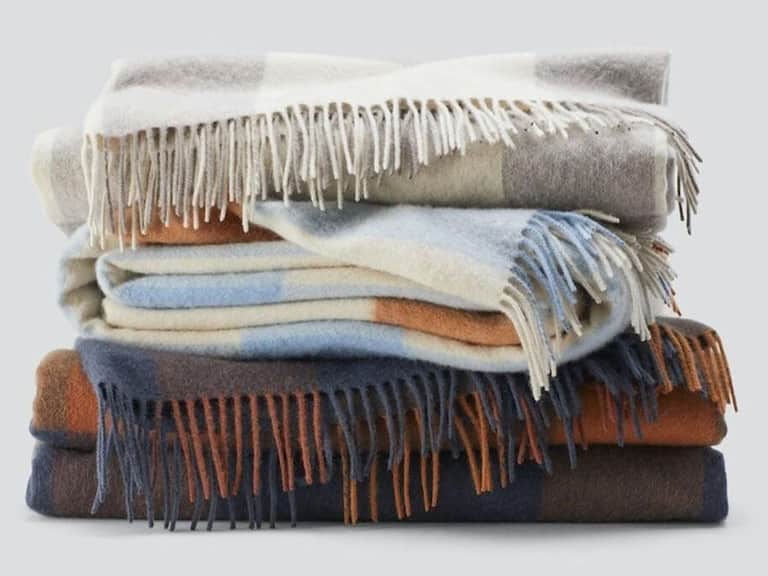
Bold Plaid Throw

Casper

Bold Plaid Throw

Wrap yourself in cozy wool warmth with a sweater-soft feel and bold plaid texture. Lightweight yet plush for lounging, it breathes, lasts, and pairs beautifully with any decor for everyday comfort.
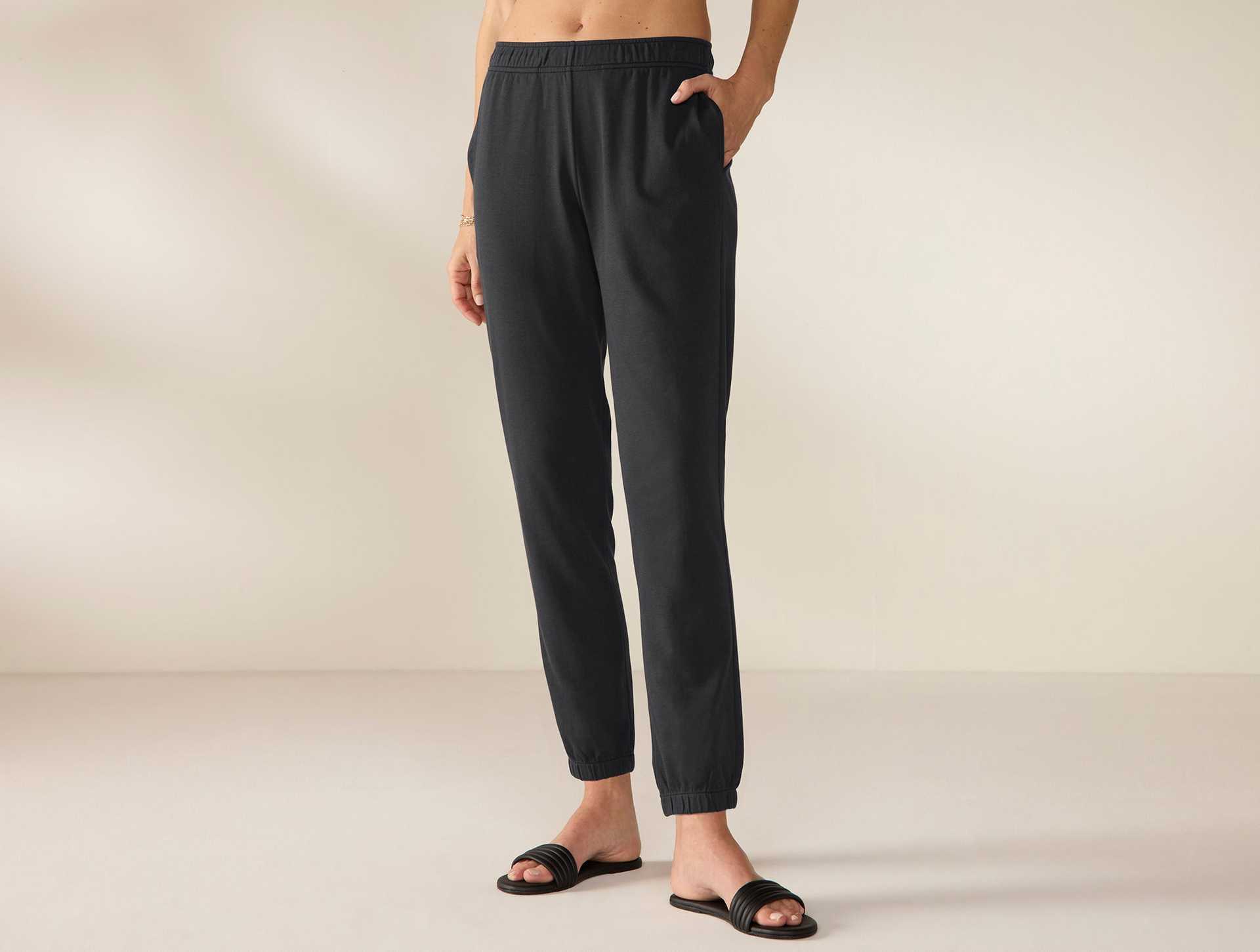
Women's Pima Organic Knit Jogger

Coyuchi

Women's Pima Organic Knit Jogger

Soft, breathable comfort meets everyday practicality: 100% organic Pima cotton joggers, grown and knitted in Peru, with pockets and easy machine care for effortless lounging or active days. GOTS certified for peace of mind.

Theme